Songkran is Thailand’s traditional New Year festival, held nationwide each year inApril. In 2026, the festival falls on 13–15 April 2026. Songkran is widely known for public water celebrations, but it also includes established customs tied to renewal, respect, and merit-making.
In 2023, “Songkran in Thailand, traditional Thai New Year festival” was recognised by UNESCO as intangible cultural heritage.
If you plan to travel for these dates, you should treat Songkran as a national peak period. Planning affects your entry timing, your daily movement in major cities, and your personal safety in crowds and heat.
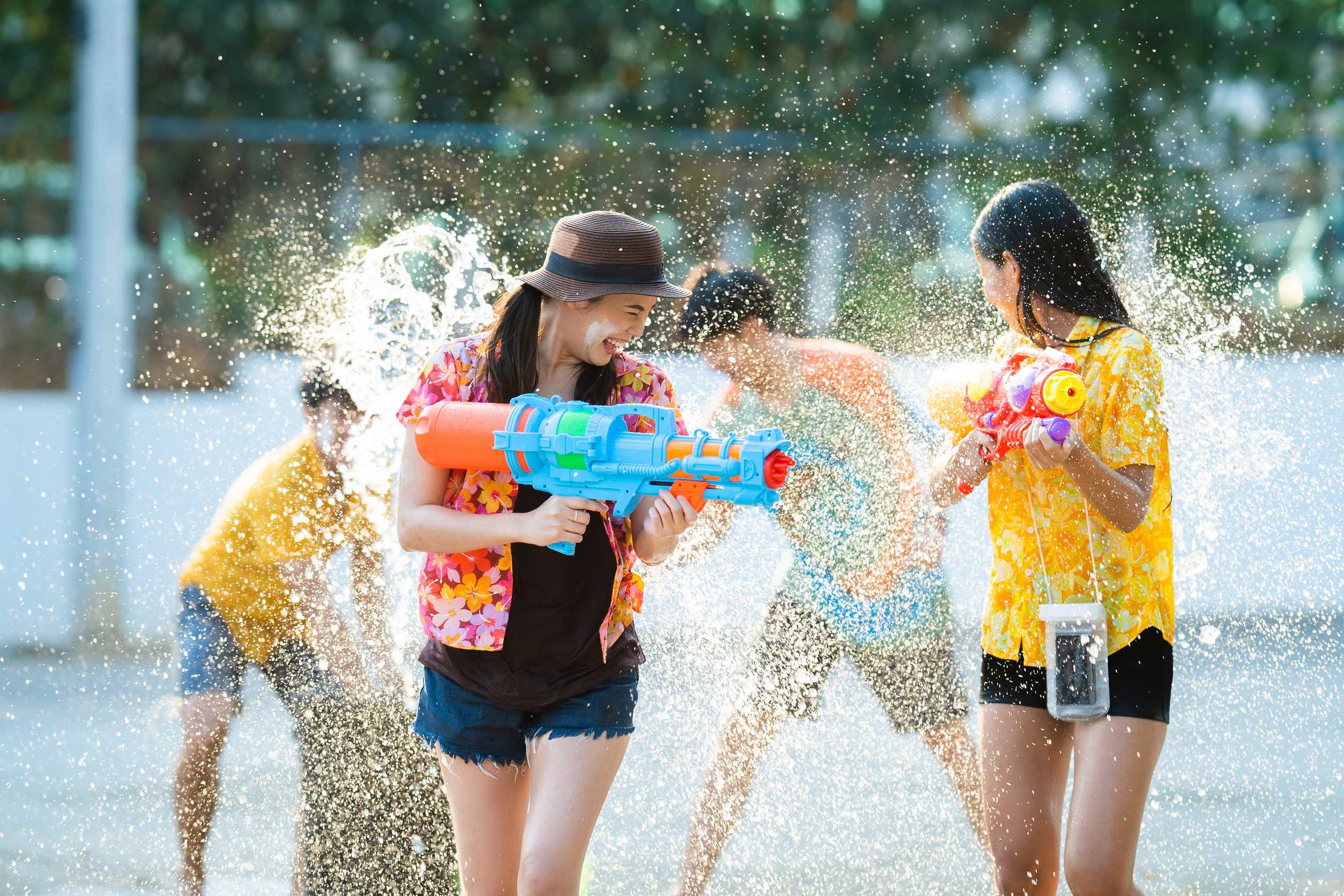
What Does Songkran Represent in Thailand?
Songkran marks the start of the Thai New Year. Water appears throughout the festival as a sign of cleansing and a fresh start, but many of the most important parts happen away from public water zones.
Traditional practices you may see
- Temple visits for merit-making
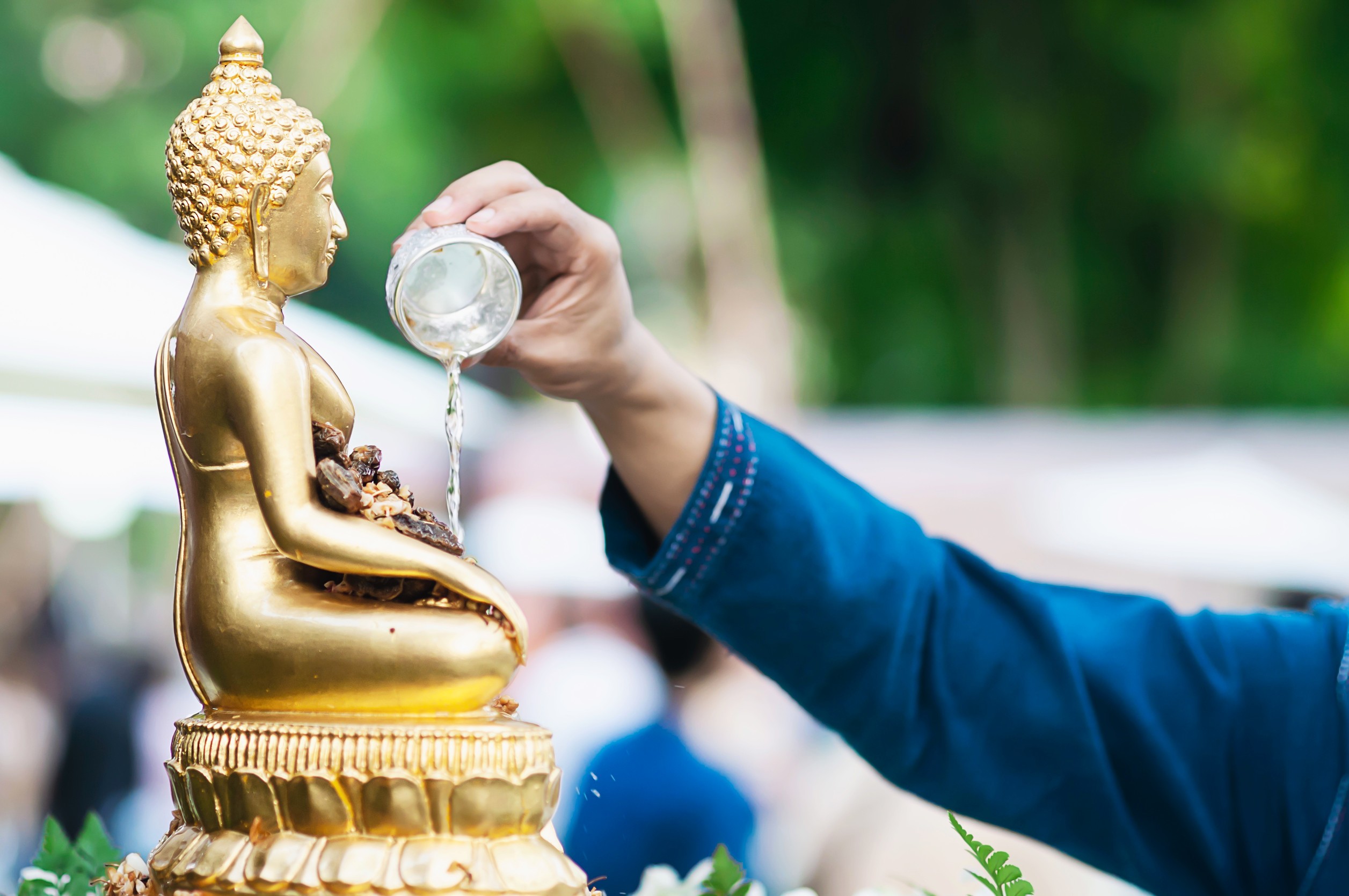
- Water blessings for Buddha images
- Respect rituals for elders, often by pouring water over hands and receiving blessings
These customs often take place earlier in the day. Public water play commonly builds later, especially in busy city zones.
What should I do if I want a quieter Songkran day?
Go early. Visit temples in the morning, plan indoor breaks in the afternoon, and avoid known water zones if you do not want active participation.
Dates and How Celebrations Spread Across Thailand
Songkran runs from 13–15 April 2026 nationwide. Some locations may hold extended local celebrations after 15 April, sometimes described as “Wan Lai” events. You should not assume every place follows the same schedule. You should check local notices once you choose your city.
Where the public celebrations are most visible
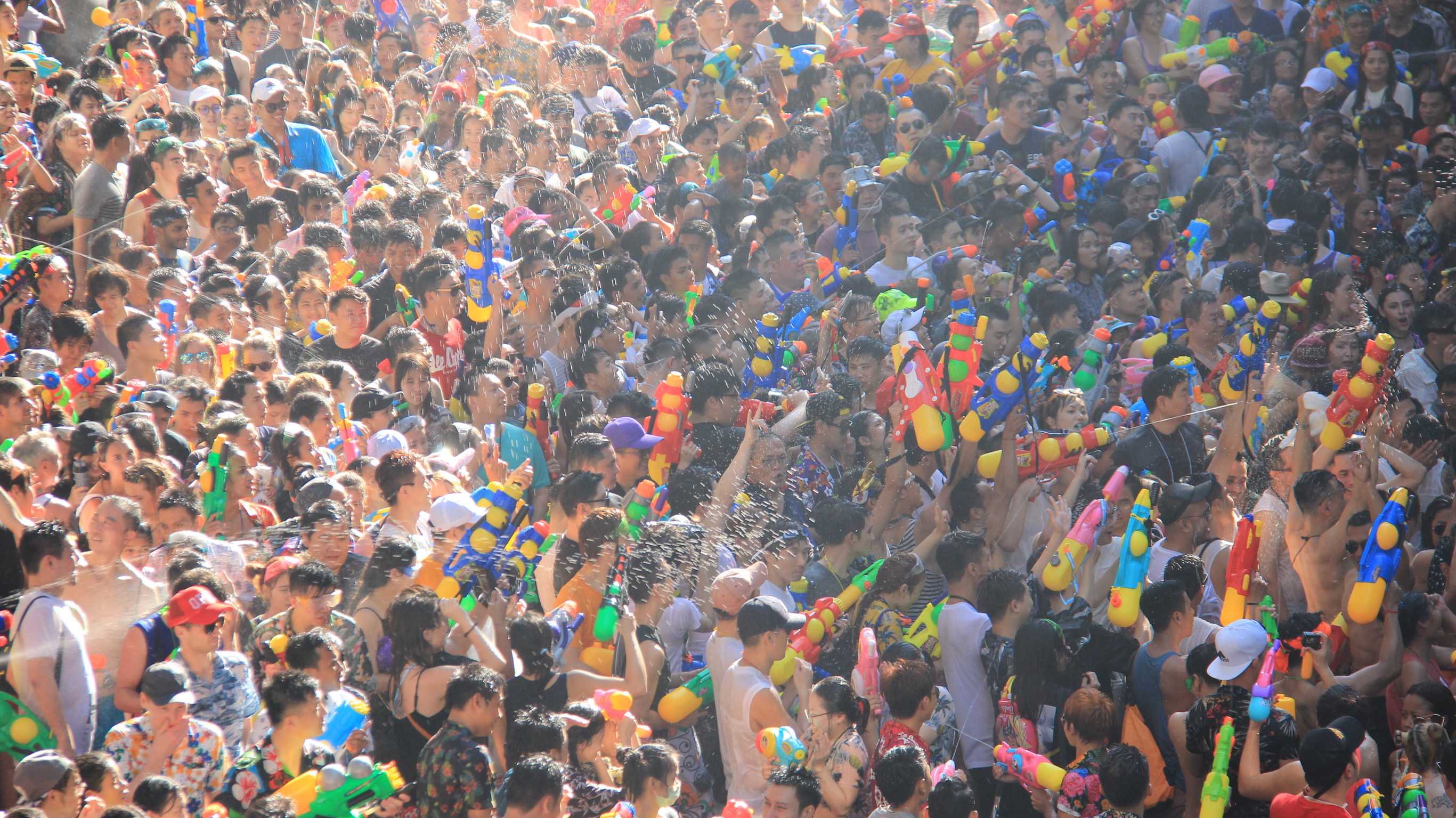
- Bangkok: Khao San Road and Silom Road often draw dense crowds and managed street activity.
- Chiang Mai: The old city and moat areas are commonly linked with extended celebration patterns.
You can attend Songkran in many provinces, but large hubs bring the highest crowd pressure and the strongest impact on road movement.
How Should You Plan Travel for Songkran 2026?
Songkran affects transport demand and service timing. If you plan to visit Thailand for Songkran, you should align your travel dates with your entry authorisation. Where applicable, you must hold a valid Thailand Tourist eVisa before arrival and ensure your documents match your intended travel plan.
Timing checks that reduce avoidable issues
- Apply for your Tourist eVisa early enough to avoid last-minute pressure.
- Book accommodation before you arrive, especially in Bangkok and Chiang Mai.
- Expect slower movement in city centres during peak water hours.
I want to attend Songkran for one day only. Can I plan a short stay?
Yes. Many visitors plan a short stay for Songkran. A single-entry Thailand Tourist eVisa is suitable for this purpose. If your travel is planned close to the festival dates, you may choose an expedited processing option.
Processing timelines and related charges are listed on the Thailand eVisa Fee page.
What Should You Expect During Public Celebrations?
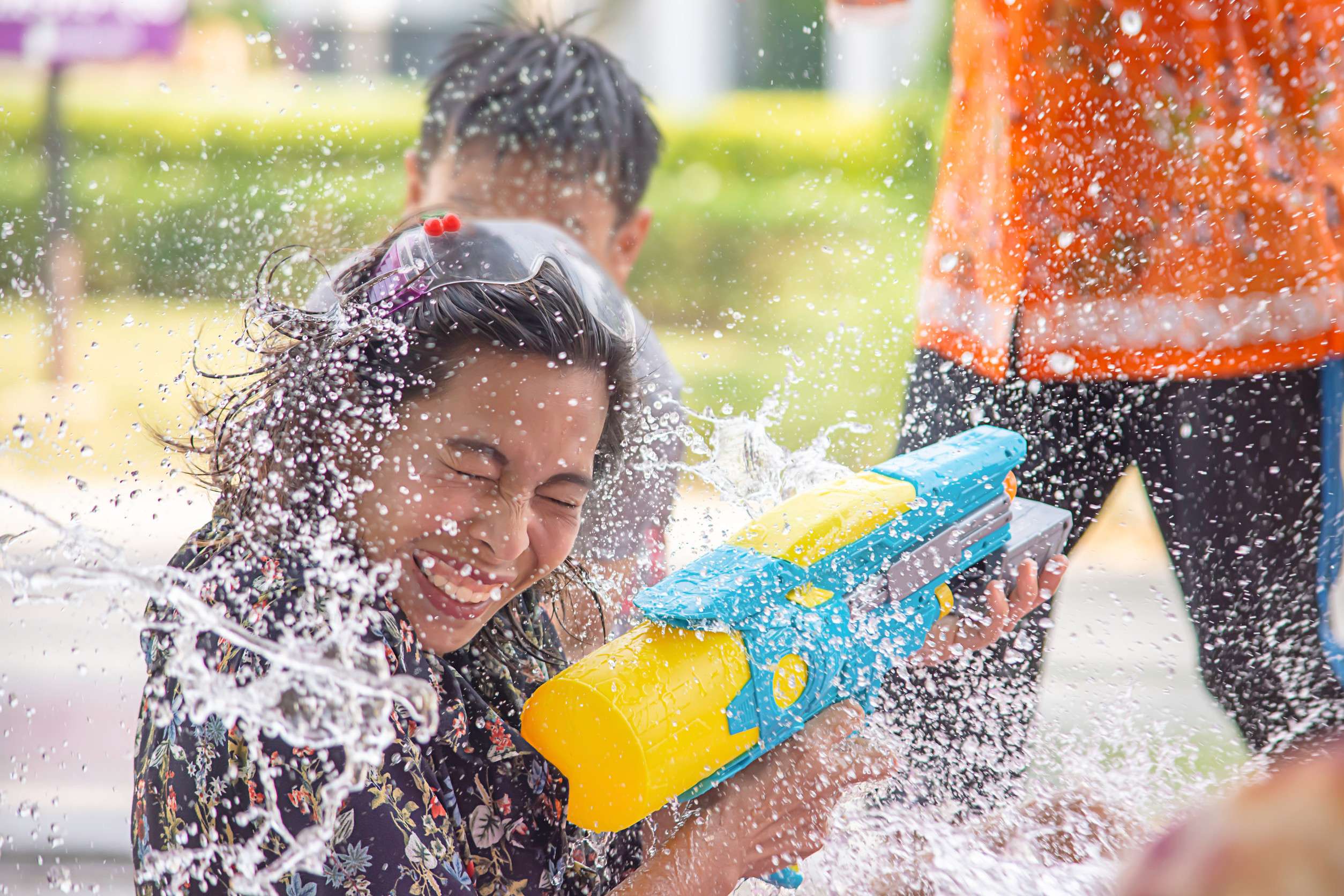
Public water activities vary by place, but the pattern stays similar: higher activity in crowded zones, especially from late morning through evening. You should expect water in the street environment, even if you do not start it.
Practical items that help you stay in control
- Waterproof pouch for passport copies, phone, and cards
- Eye protection if you plan to be in dense water areas
- Shoes with grip for wet roads and uneven surfaces
- Clothing that allows movement and dries fast
You should keep your original travel documents secured. Carry only what you need when entering water zones.
Respect and conduct in crowds
You should treat Songkran as a public event where consent and boundaries matter. If you join water play, keep it safe and respectful. If you do not join, step away from main streets and choose routes with less foot traffic.
Participation is optional. You can observe from designated areas or focus on cultural sites if you prefer limited involvement.
Can I avoid getting wet completely?
You can reduce it, but you cannot guarantee it in major zones. Stay away from known water streets, plan indoor activities during peak hours, and use transport routes that avoid crowd centres.
Safety, Conduct, and Local Regulations During Songkran
Songkran takes place during a hot period in Thailand. Crowds and movement increase the strain on your body, and road risk often rises during major holiday travel.
Health and heat steps
- Drink water regularly, not only when you feel thirsty
- Take breaks indoors or in shaded areas
- Plan a mid-day pause if you spend time outdoors
Road awareness
You should take road safety seriously during Songkran travel days. Avoid risky transport choices, follow local rules, and do not assume short distances will stay short during street closures and dense crowds.
Public behaviour
Follow local instructions in controlled areas. If officials restrict items or set zone rules, comply without debate. Avoid behaviour that can cause harm, conflict, or legal trouble.
A Simple Songkran Plan You Can Use
Morning
- Cultural focus: temple visit, local food areas, quieter neighbourhoods
Afternoon
- Rest window: heat break, secure belongings, plan your route
Late afternoon to evening
- Public celebration window: join a managed zone or stay outside high-density streets
This structure helps you experience both sides of Songkran while keeping control of your time and risk.