I absolutely love exploring new cultures and Thai culture looks so incredible. Really don't want to miss out on seeing the daily life there, the Buddhist traditions, and how important family is. Plus, the food and festivals look amazing! Thanks for breaking down the visitor etiquette so simply,makes it feel a lot less daunting to plan.
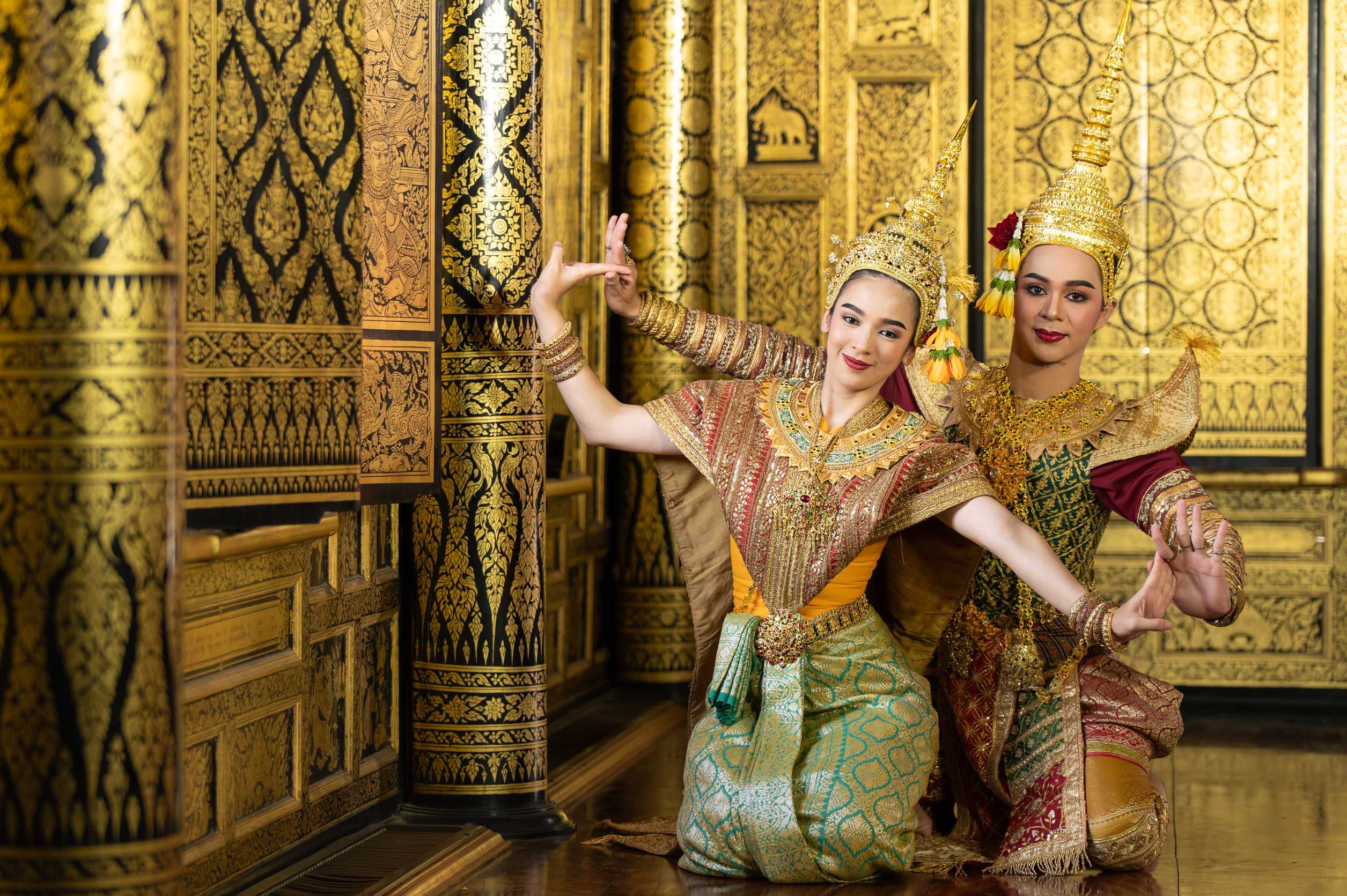
Thailand ranks among Southeast Asia's most welcoming countries. Its temples, festivals, food, and people reflect a culture shaped by deep respect for tradition, religion, and community.
The Importance of Respect in Thai Culture
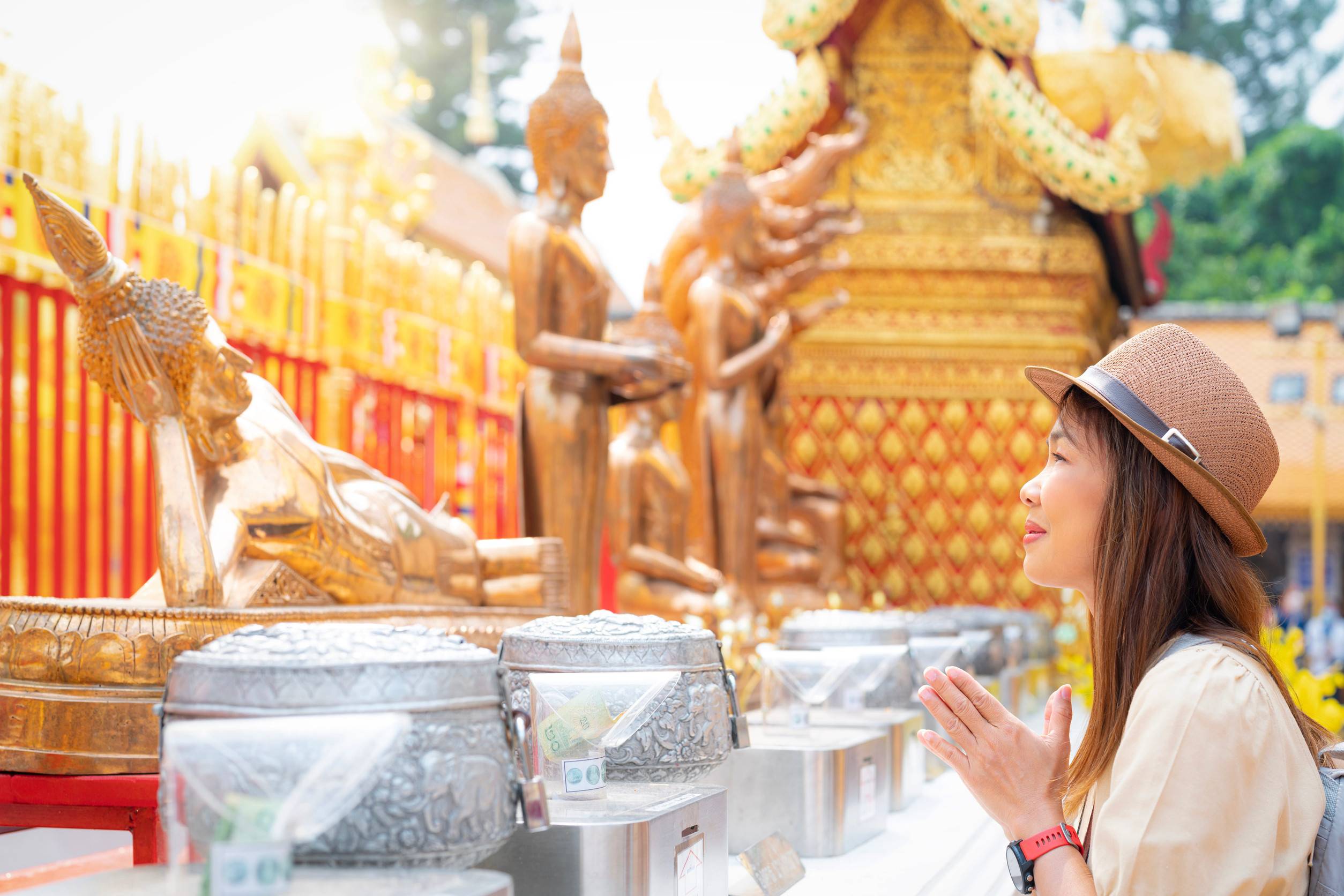
Respect sits at the centre of daily life in Thailand. Thai people tend to speak gently and maintain calm behaviour in public. Visitors are expected to act politely, especially around elders, monks, and religious sites.
The wai is the standard Thai greeting. To perform it, press your palms together near your chest and bow your head slightly. It serves as hello, thank you, sorry, and goodbye.
Buddhism and Thai Daily Life
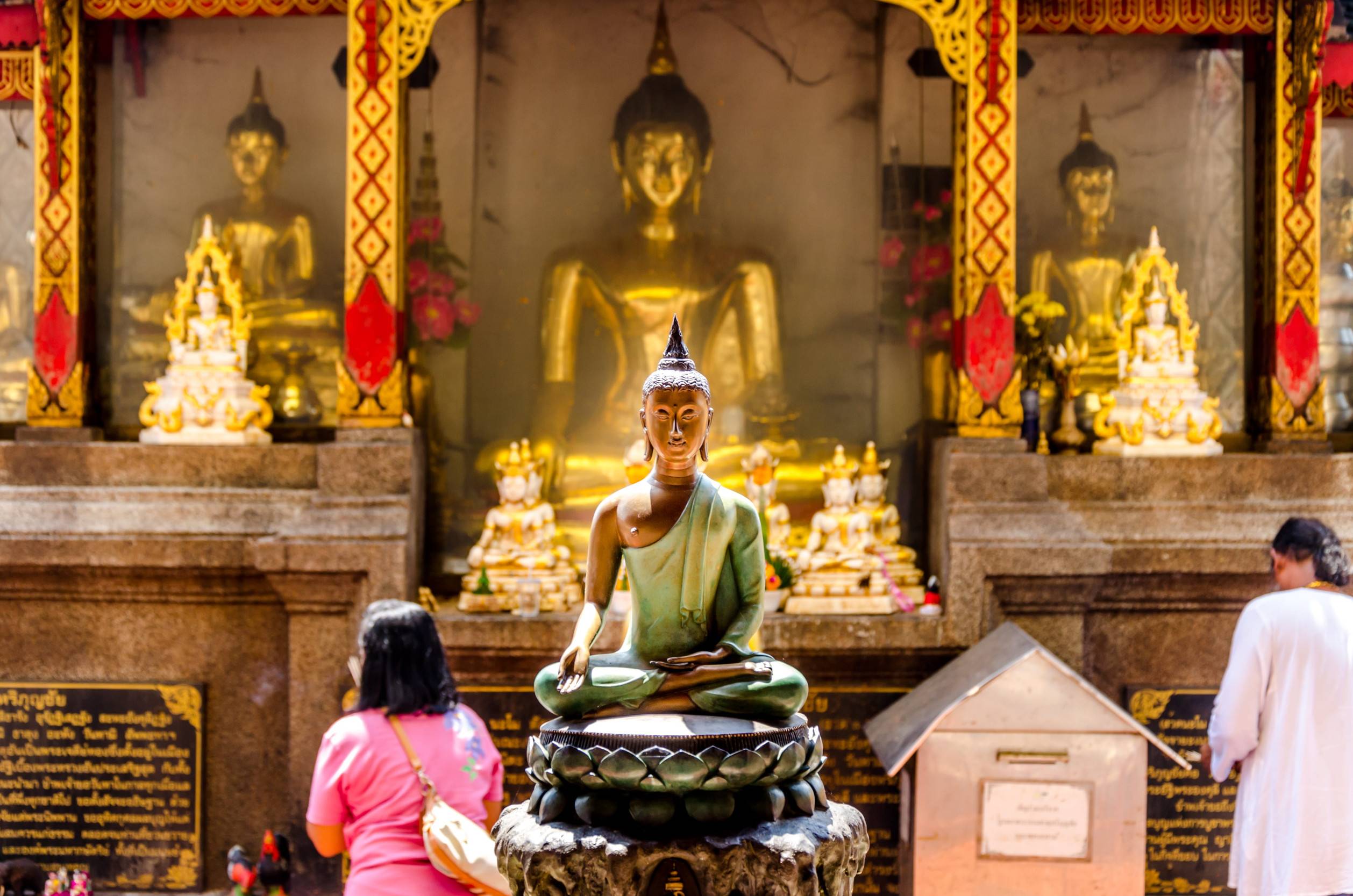
Buddhism shapes Thai culture in visible, everyday ways. Many Thai people visit temples regularly, offer food to monks, and take part in religious ceremonies. Temples, called wats, serve as places for prayer, learning, and community gatherings. They are found across the country.
When visiting a temple, cover your shoulders and knees. Remove your shoes before entering any building. Keep your voice low and your manner calm inside sacred spaces.
Thai Family Values
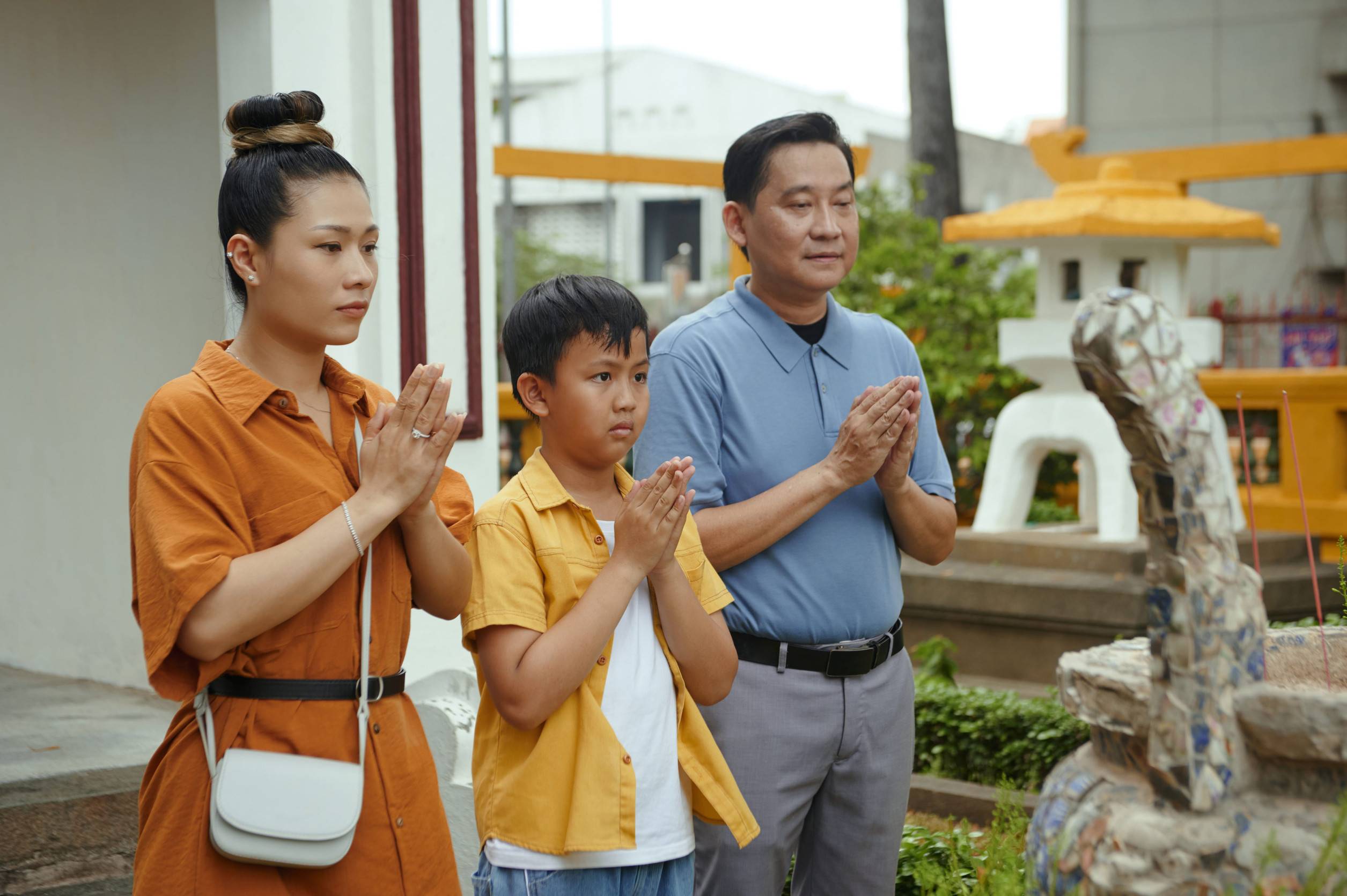
Family holds a central place in Thai life. Younger people are taught to honour their parents, grandparents, and elders. Family considerations guide many personal decisions.
Older members are treated with care and regard. This bond shows clearly at festivals, weddings, religious events, and in ordinary daily life.
Thai Food and Eating Culture
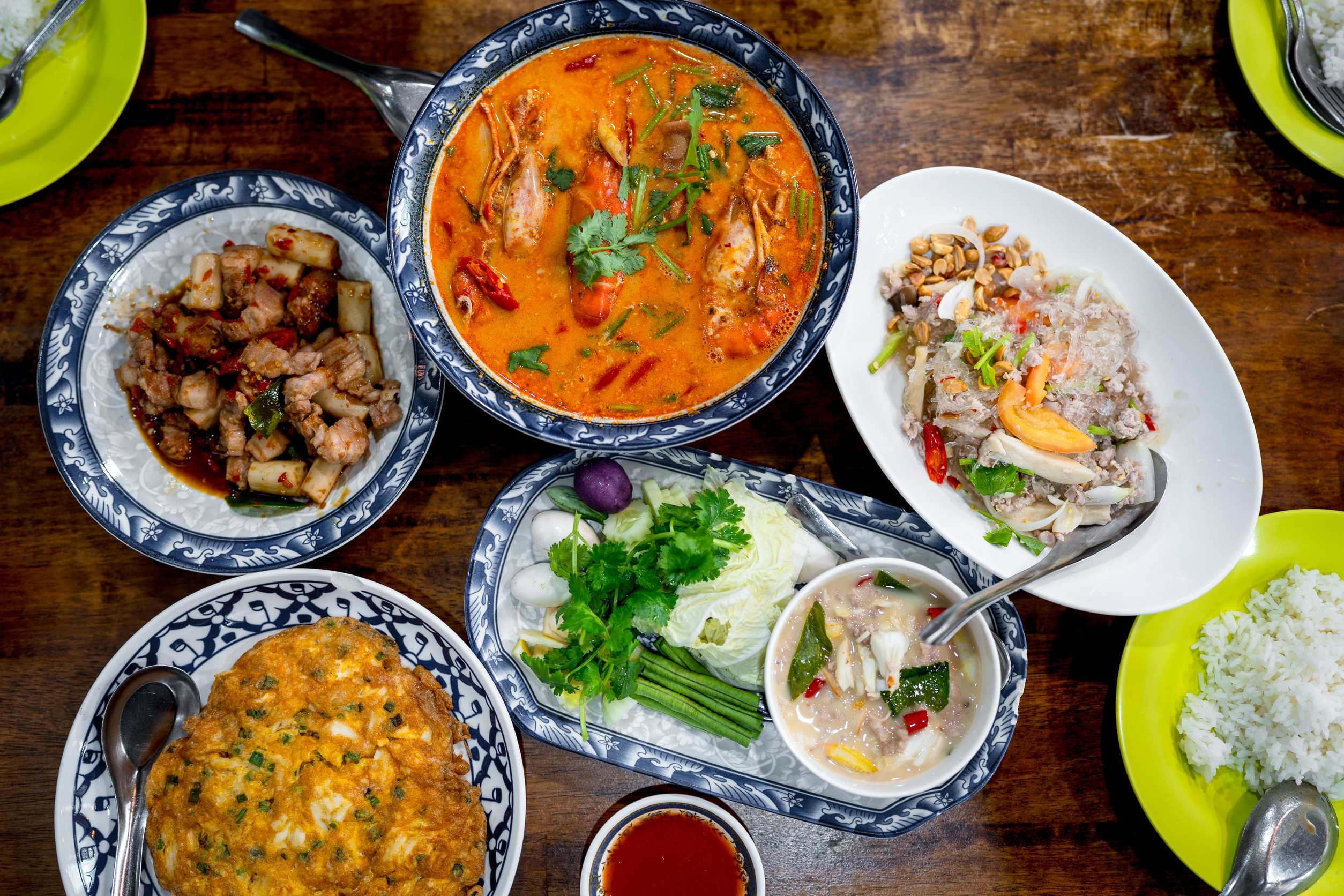
Thai food draws on fresh ingredients and bold flavours. Most dishes balance sweet, sour, salty, and spicy in a single plate. Well-known dishes include Pad Thai, Tom Yum Goong, Green Curry, Som Tam, and Mango Sticky Rice.
Meals in Thailand are typically shared. Several dishes are placed at the centre of the table for everyone to take from. Street food stalls are common throughout the country, offering affordable and flavourful options at any hour.
Festivals in Thailand
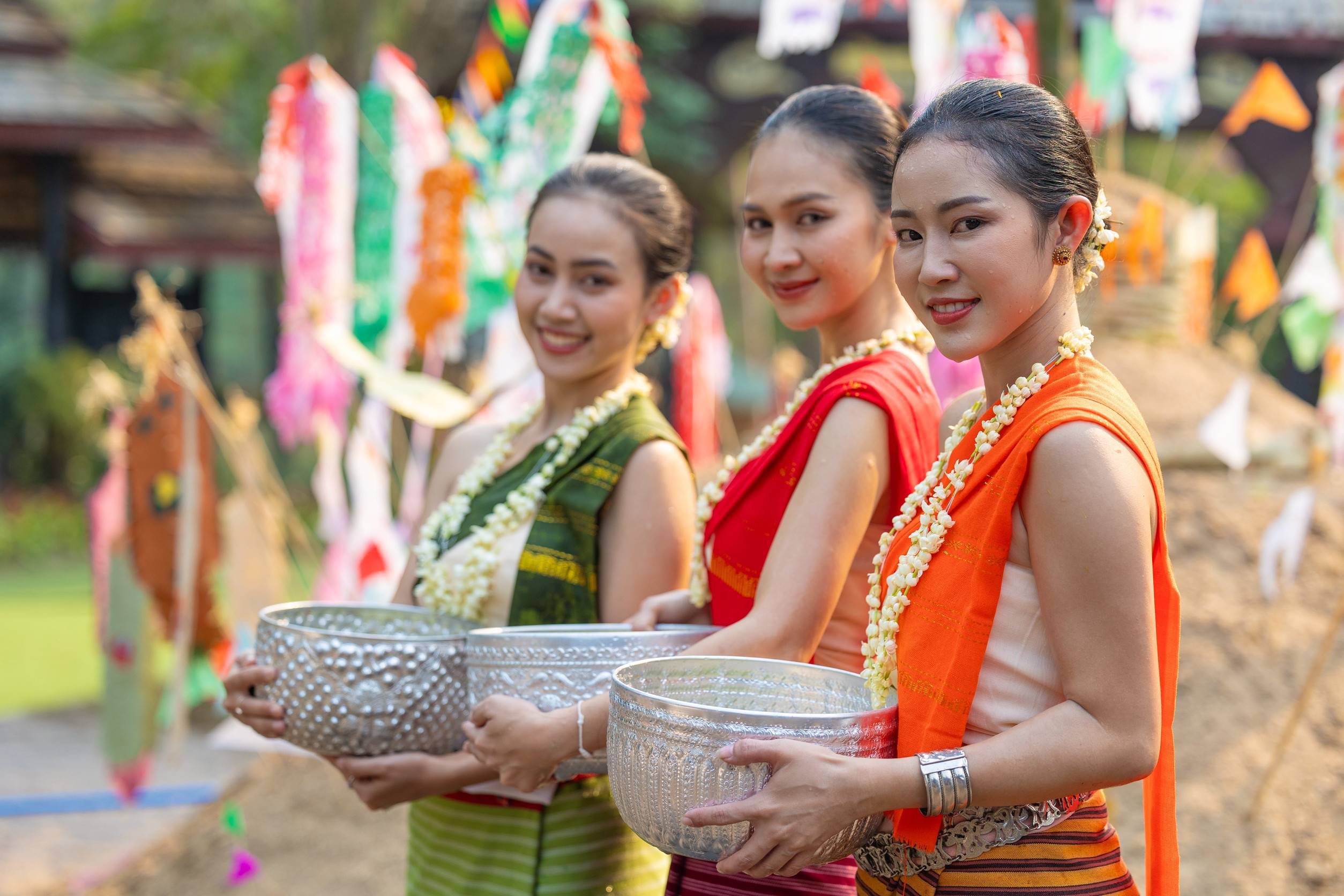
Thailand observes many celebrated festivals through the year. Songkran, the Thai New Year, falls in April. It involves water festivities, family visits, and temple ceremonies.
Loy Krathong is another widely observed occasion. People float small decorated baskets on rivers and lakes to show gratitude for water and release ill fortune.
Thai Clothing and Traditional Dress
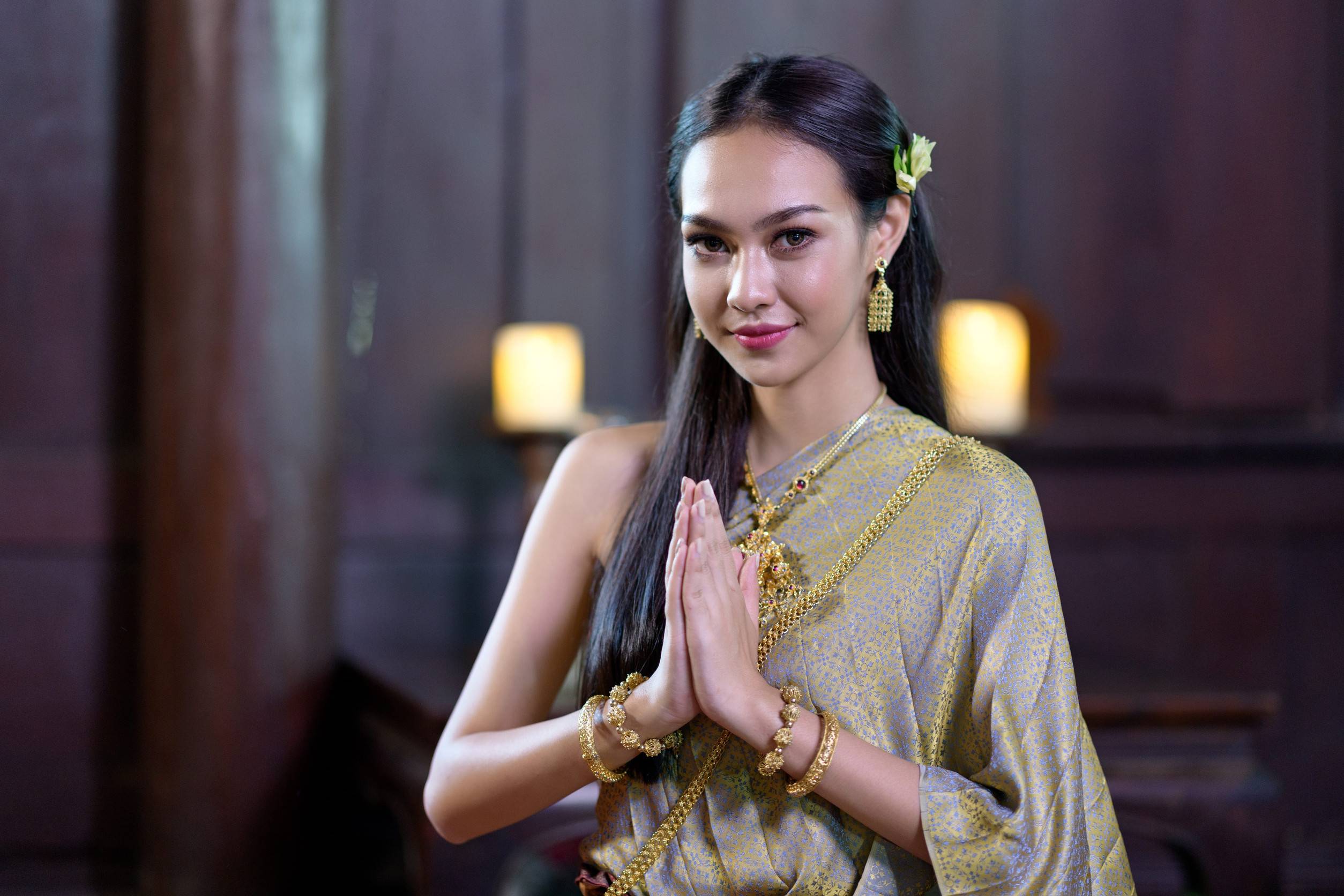
Everyday clothing in Thai cities follows modern styles. Traditional dress, though, remains present at weddings, ceremonies, festivals, and cultural events.
Thai traditional outfits are typically elegant, carefully tailored, and made from fine fabrics, with silk holding a particularly high reputation for quality.
Art and Dance
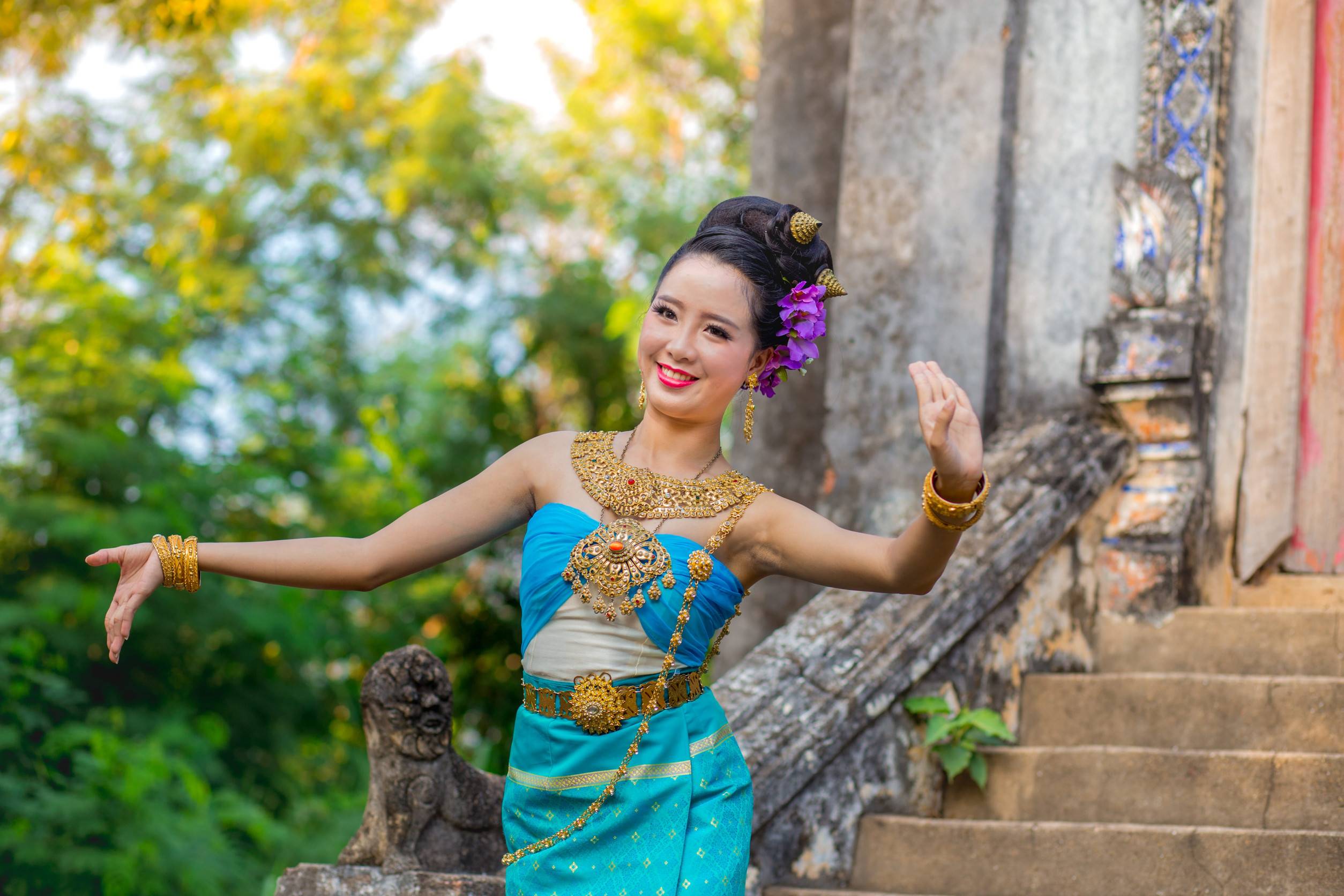
Thailand carries a strong artistic tradition. Classical Thai dance is performed with precision and care, drawing on stories from history, religion, and folklore. Dancers wear intricate costumes and move with deliberate, measured gestures.
Thai Etiquette for Visitors
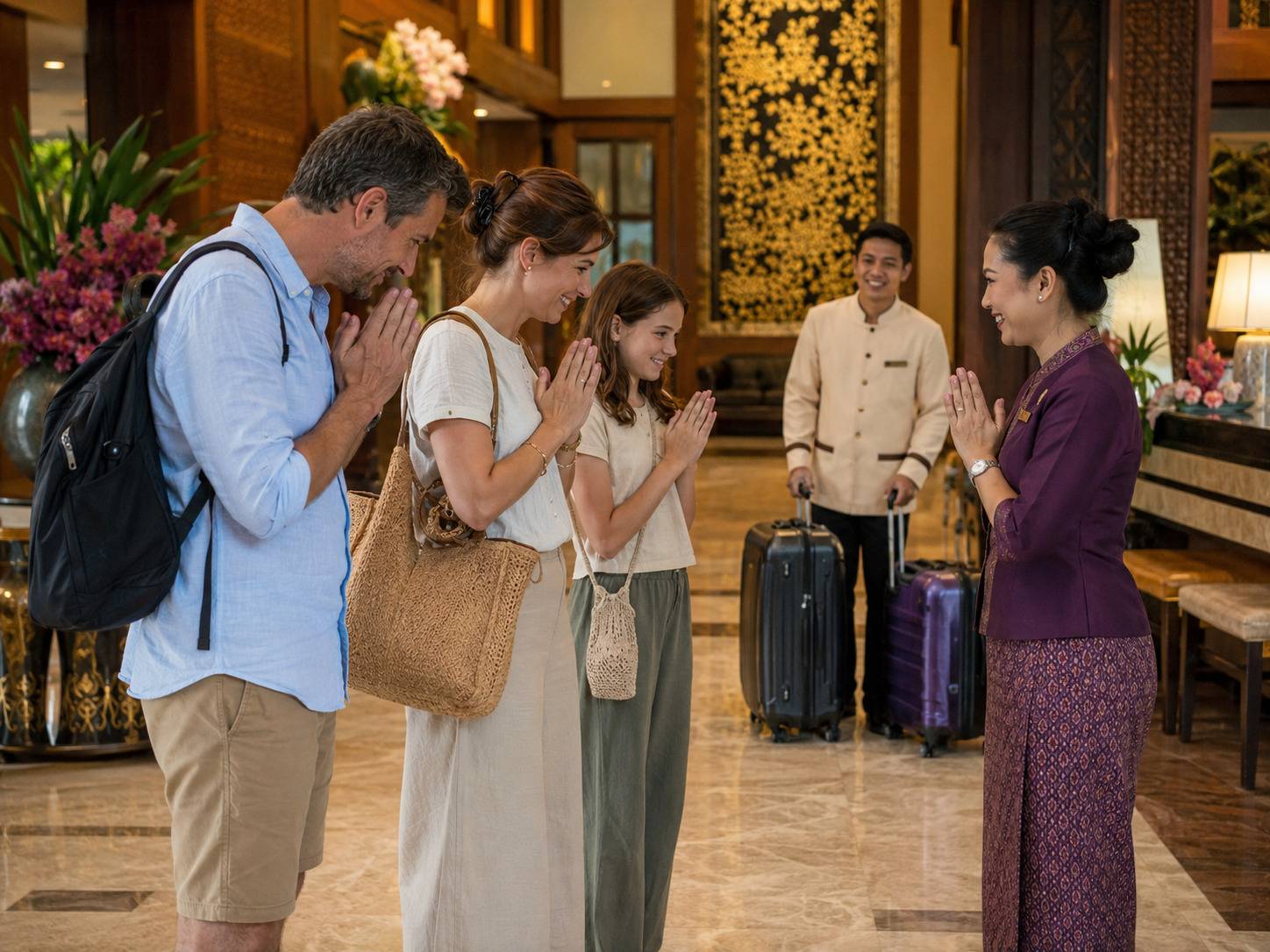
A few basic customs matter when you visit Thailand.
- The head is considered the most respected part of the body. Do not touch another person's head.
- Feet are considered the lowest part of the body. Avoid pointing your feet at people, Buddha images, or religious objects.
The Thai Smile
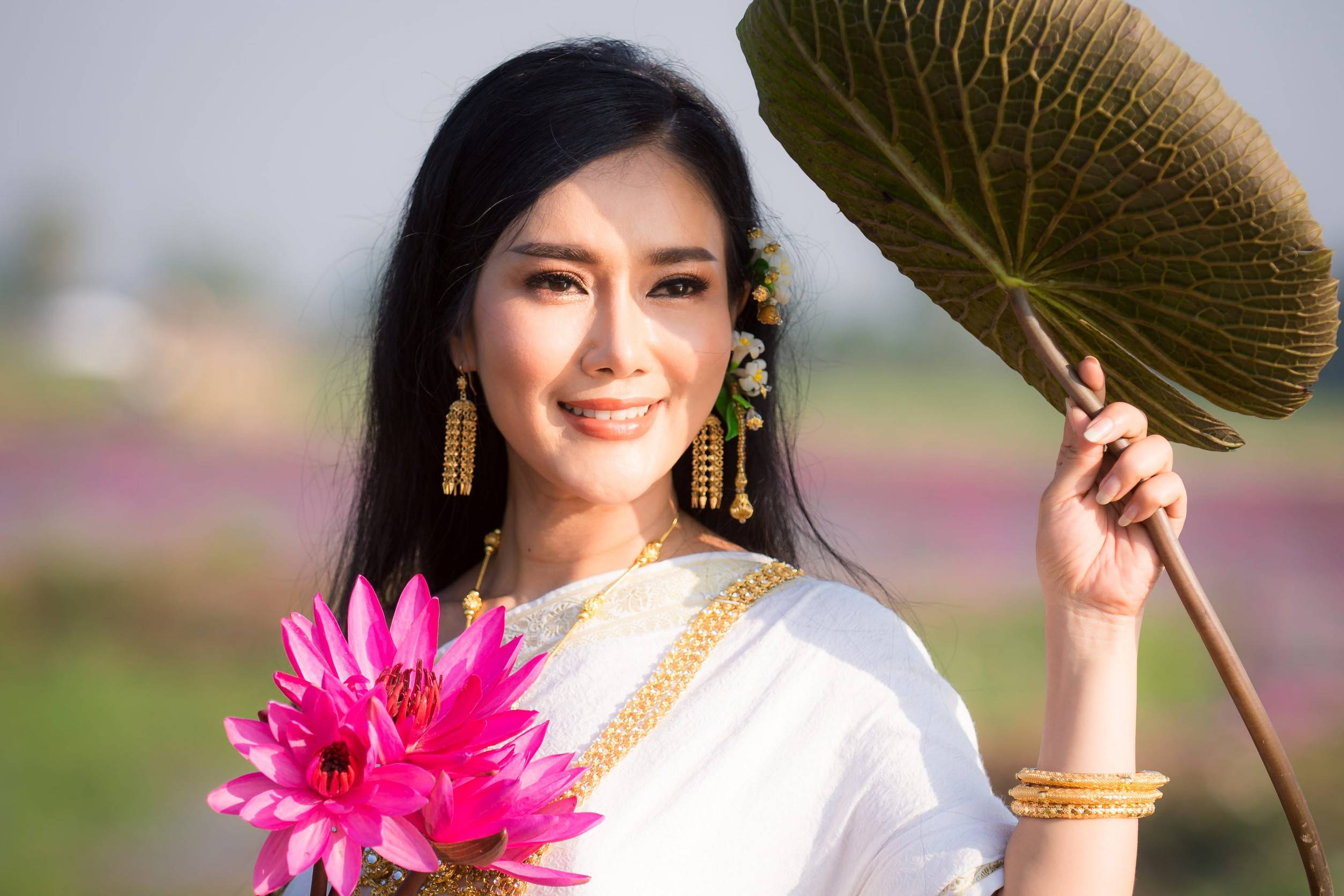
Thailand carries the name "Land of Smiles" for good reason. Smiling forms a key part of Thai social life. A smile can signal happiness, politeness, apology, or gratitude and often eases tension in difficult moments.
Conclusion
Thai culture rests on respect, family, religion, and community. Its temples, greetings, festivals, and food together offer visitors a layered and genuine cultural experience.